
Ethics and identity, Samantha Jory-Smart
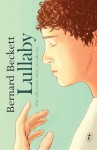 Lullaby
Bernard Beckett
Text
2015
Bernard Beckett tells us the story of teenage twin Rene, in his book Lullaby. It is a fictional, philosophical novel aimed at young adults. Theo, Rene’s brother, is on the brink of death after an accident leaves him with serious brain damage.
There is, however, a way to save his brother. Essentially, this is a brain transplant, not of the physical brain, but of a copy of Rene’s connectome: the map of all the connections between neurons in the brain. When Rene is explaining this he says, “The connectome is us, we are our connectome.” Rene also explains how this is so: “It defines the way the brain functions, the memories that are held, the disposition of thought, the personality, the beliefs.” Theo’s connectome is dead, so Rene can replace it with his own.
These quotations are carefully chosen to illustrate the point and well incorporated into the sentence so that it flows seamlessly.
Editor’s note:
What will then happen is that the doctors will reprogramme Theo’s brain, and replace his scrambled connectome with Rene’s. However, this will make Theo believe he is Rene, as he will now have all of Rene’s memories and thoughts. It will make Theo think that he’s just tried to save his brother, and that Rene is Theo. There will basically be two Renes. Hard to comprehend, I know.
But before this procedure can happen, Rene needs to be tested to see if he has the capacity to make this decision: essentially, whether the operation should happen from an ethical standpoint. This assessment is made by Maggie, a psychologist. She asks him questions. Rene desperately wants his brother to live, so he tries to please and impress her.
Maggie asks him about his past, which brings up pleasant and unpleasant memories. This is very important for Rene, as it helps him accept his past and also his identity, which is one crucial theme in this book. It is especially interesting hearing about the issue of identity from an identical twin, as people usually assume they are exactly the same, or try to make them completely different.
He has many different stories which are very intriguing and thought-provoking about identity and his childhood. For example, in a story in which Rene and Theo switched places for a day, Rene said, “We see what we expect to see, most of the time.” This was a very interesting comment, in my opinion.
Rene is a very smart kid, a genius. He is usually in the 95th percentile for a test on a bad day. When Maggie questions him, he tries to see what she is doing and responds accordingly. This means he also says many intriguing, wise things that, for me especially, provoke a lot of thought. However, he is also just a teenager and makes stupid mistakes, just like any other kid. This is quite a realistic trait which I’m glad was put there.
I also love that his relationship with his brother isn’t perfect. Beckett doesn’t glorify twins or brotherhood. They’ve both made mistakes and had obstacles to overcome, within themselves and with each other. Talking with Maggie makes Rene accept that he still feels guilty, and that he is presently holding onto anger at his brother for some things, which is completely normal. His relationship with Maggie is important also in the development of his character.
Beckett sets this book mostly in Maggie’s office in the hospital, and within Rene’s thoughts. It is also set in the near future, and we can tell this because the procedure suggested to be undertaken would be impossible at this point in time. Scientists are still researching and learning about scanning connectomes, and the thought that “we are the connectome” is presently only a theory and has not been proven.
I do commend Beckett for putting a lot of effort into developing these complex issues and thoughts. However, some of the ideas he talks about are quite difficult to understand. I often had to read them more than once and this stopped the flow while reading and distracted me from the plot.
One thing which I feel is also quite distracting is that sex and drugs are presented as common issues for 13 to 14 year olds in the story. While this may be representative for some children, it is not for the majority in my experience. This diverted me from the plot. Furthermore, I feel as if this is an unrealistic portrayal of a child like Rene, as he seems like the type of person who wouldn’t be involved in these activities at all. While this may, to some people, show that he cared about his brother enough to take part in these activities, this trait could have been shown through a different activity, or even done at a later time in Rene’s life.
I found it interesting that Beckett brought up some contemporary issues in Lullaby, such as human transplant concerns, especially those regarding the brain and identity. Beckett makes us confront these problems by showing us directly the ethical issues involved in the transplant of a body part.
Overall, this book is extremely thought-provoking and a very interesting read. There are a few points that can sometimes distract you from the plot. However, there are some very fascinating ideas and themes that make you think of who you really are, and what you would do for the people you love. Definitely give Lullaby a go, and see what you think.
Samantha Jory-Smart is year 11 at Burnside College, Christchurch.